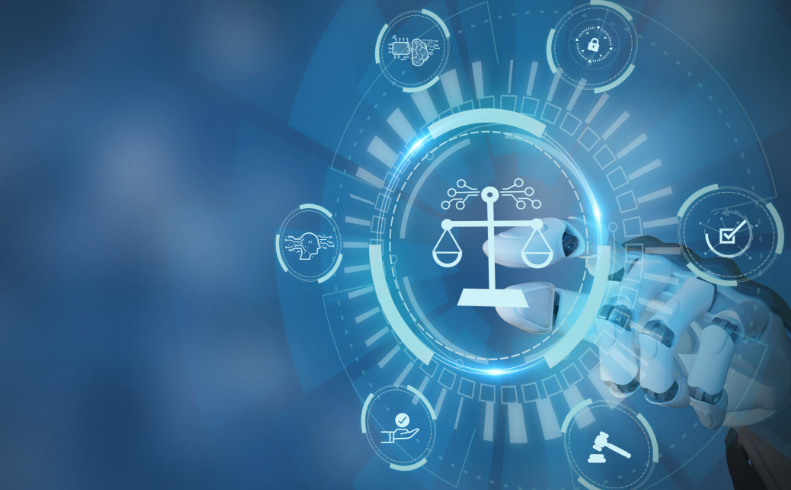
The rise of artificial intelligence introduces significant ethical concerns that warrant careful examination. Issues such as privacy invasion and algorithmic bias present challenges to individual rights and societal equity. Furthermore, the ambiguity surrounding accountability raises questions about responsibility when AI systems make decisions. As these technologies continue to permeate various aspects of life, the implications for governance and ethics become increasingly critical. What frameworks might effectively address these pressing dilemmas?
Privacy and Surveillance Issues
As artificial intelligence technologies continue to evolve, concerns regarding privacy and surveillance have intensified, raising critical ethical questions.
The intersection of data security and user consent is pivotal; individuals often unknowingly surrender personal information. This dynamic poses risks, as the potential for misuse of AI-driven surveillance tools undermines the foundational principles of autonomy and freedom, necessitating stringent safeguards to protect individual rights.
See also: Energy Efficiency Through Smart Technology
Algorithmic Bias and Discrimination
While the advancement of artificial intelligence offers significant benefits, it simultaneously raises profound concerns regarding algorithmic bias and discrimination.
Inadequate data representation can lead to skewed outcomes, perpetuating existing societal inequalities. This bias not only affects individual lives but also has broader social implications, influencing public perceptions and policy decisions.
Addressing these issues is crucial for fostering a more equitable technological landscape.
Accountability and Responsibility in AI
How can society ensure accountability and responsibility in the realm of artificial intelligence?
Establishing robust AI governance frameworks is essential to clarify liability attribution in cases of AI-driven decisions.
These frameworks should delineate roles and responsibilities among developers, users, and regulators, fostering a culture of transparency.
Such measures not only enhance public trust but also promote ethical practices in AI deployment and innovation.
The Impact of AI on Employment and Inequality
The advent of artificial intelligence has brought about significant shifts in the labor market, raising concerns regarding its implications for employment and economic inequality.
Job displacement is a pressing issue, as automation replaces various roles, disproportionately affecting lower-skilled workers. Consequently, wage disparity may widen, leading to a bifurcated economy where the benefits of AI accrue primarily to those with advanced skills and resources.
Conclusion
In the ever-evolving landscape of artificial intelligence, the delicate balance between innovation and ethics resembles a tightrope walk, where one misstep could plunge society into a chasm of inequality and mistrust. As the digital age unfolds, it becomes imperative to forge robust governance frameworks that act as a safety net, ensuring that the benefits of AI do not come at the cost of individual rights and societal harmony. Only then can technology serve as a bridge, uniting rather than dividing.